|
Beaver
to bring back bush aircraft
KATE
SARSFIELD / LONDON
Canadian
manufacturer reveals goal of reviving production of
35-year-old utility lines and refloating amphibian
A
Canadian company is planning to restart the de Havilland Canada DHC-2
Beaver and DHC-3 Otter utility aircraft lines, 35 years after
production ended.
Beaver
Aircraft Canada also intends to breathe life into the four-seat
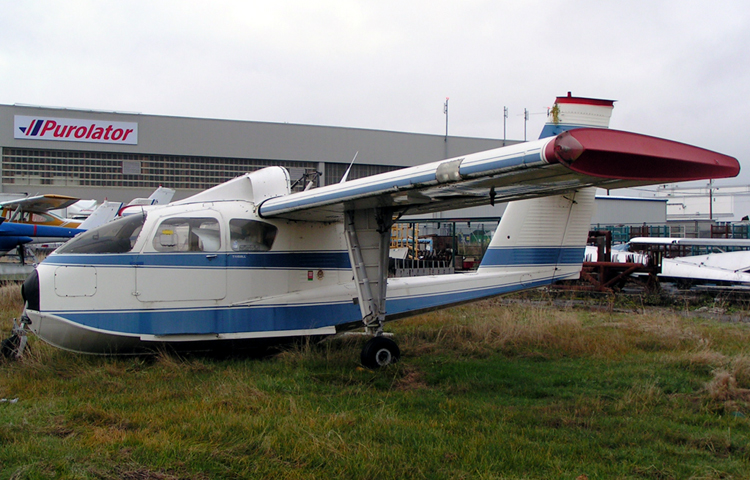
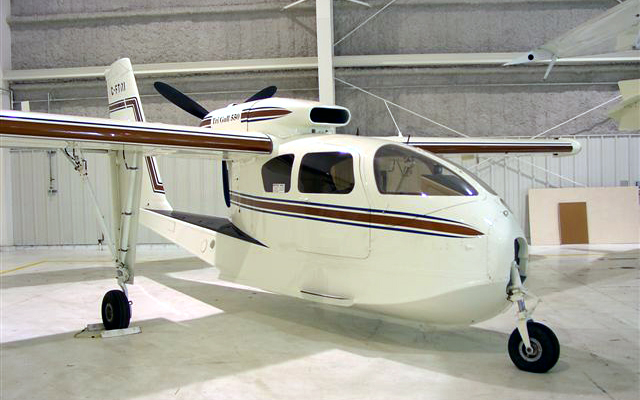
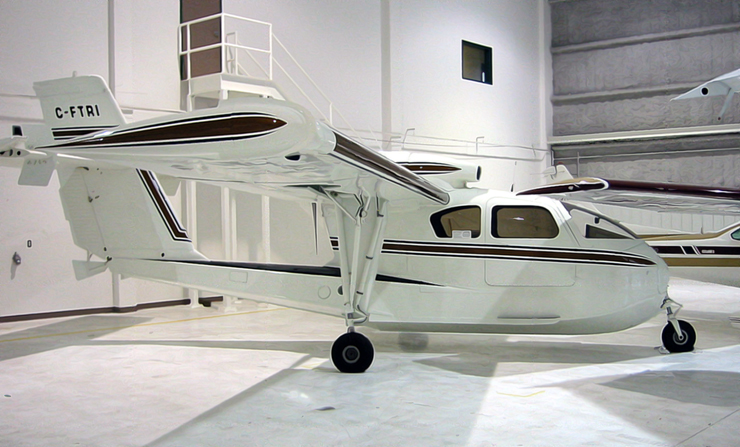
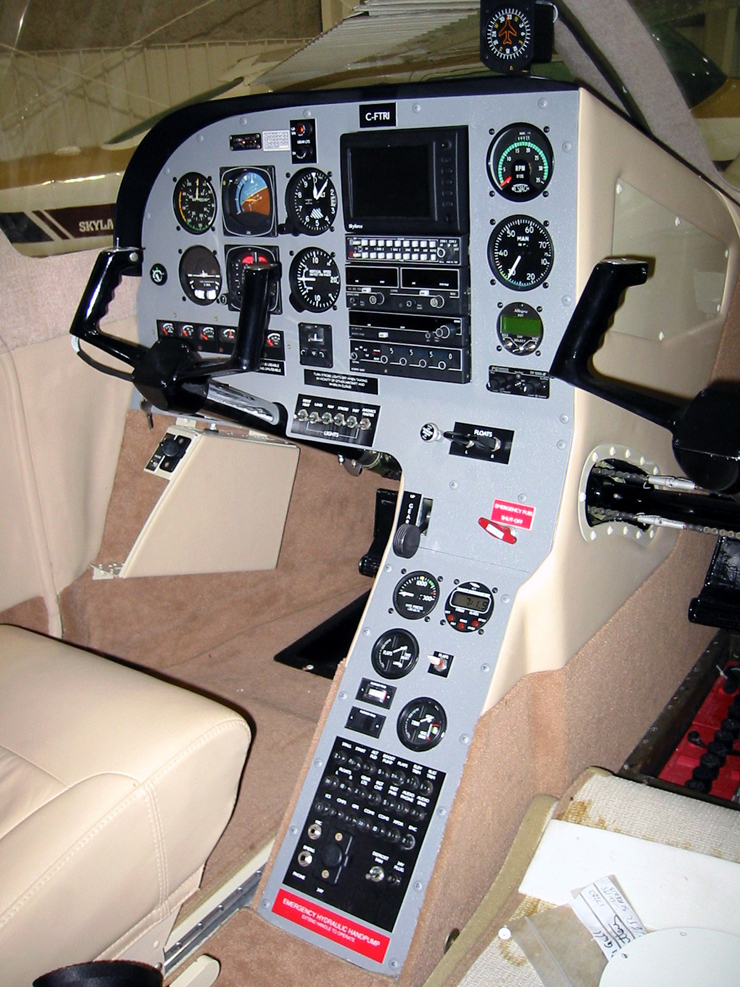
Trident Aircraft Tri-Gull amphibian. This programme, now owned
by Canada's Viking Aircraft, was shelved during development in
the 1970s due to lack of funding.
The
all-metal, single-engined, high-wing Beaver made its first
flight in August 1947 and around 1,650 of the six-seat aircraft
were built. Of these more than half are still flying, says
Beaver Aircraft director Mark Sager.
The
larger, 16-seat Otter entered service in 1953 and when
production ceased in 1968, around 460 aircraft had been built.
Sager says: "We have an overwhelming response from the
market worldwide, which is keen to see these rugged short
take-off and landing bush aeroplanes back in service,
particularly the Beaver, which is widely regarded as one of the
most perfectly designed and robust small utility aircraft ever
built."
Beaver
Aircraft has acquired Viking Air, which owns the production jigs
and drawings for all three aircraft. The Victoria, British
Columbia-based company builds spare parts and specialises in the
reconstruction and modification of Beaver and Otter designs.
Although
development details are being kept under wraps, Sager says the
Otter will be offered only with a modern turbine engine. The
Beaver will be available in two variants. One will be faithful
to the old design, perhaps powered by second-hand radial engines
such as the Pratt & Whitney R-985 Wasp, while the other
could encompass a number of modifications added to the aircraft
over the years such as new avionics, engines and doors. The
Beaver is likely to be stretched to accommodate nineseats, Sager
says. The Tri-Gull will also be turbine-powered and is likely to
be renamed, he adds.
"There
are still a few balls to go through the hoops before we can turn
the light back on in the factory. But when that day comes, we
expect prototype, flight testing and certification [for all
three models] will take about two to three years," he says.
The first aircraft to enter service could be the Otter, followed
by the Tri-Gull and the Beaver.
The company
is predicting sales of around 600 Beavers, 490 Otters and 365
Tri-Gulls in the first 10 years, Sager says. "There is a
large market for the Beaver and Otter from private owners,
through to maritime surveillance, and passenger/commuter
operators. The Tri-Gull will mainly be targeted at recreational
flyers," he adds
Source:
Flight International 08 April 2003 |